

By Adam Blum, MFT, Founder and Director of the Gay Therapy Center
When someone takes the leap and starts transitioning, they might feel hopeful, eager, and even euphoric. But gender transition is by definition a change, and like any other big life shift, it can bring up big feelings and unexpected emotions — especially when someone starts hormone replacement therapy (HRT) or has surgeries. Transitioning can shift sexual attraction and identity, which can mean an exciting period of exploration, but it can also be unsettling, bring up unexpected dysphoria, or pose challenges with dating or maintaining a long-term relationship.
Sometimes, intense feelings and emotions aren’t the hardest parts of gender transition, but the lack of preparation for them and feeling caught off guard or even betrayed if they arrive. If you go into transition expecting bliss and rainbows, but you’re surprised to struggle with libido after starting HRT or feel depressed after surgery, it’s a double-whammy. Being prepared for the unexpected and having resources lined up, like a savvy sex therapist, can make all the difference when navigating trans sexuality.
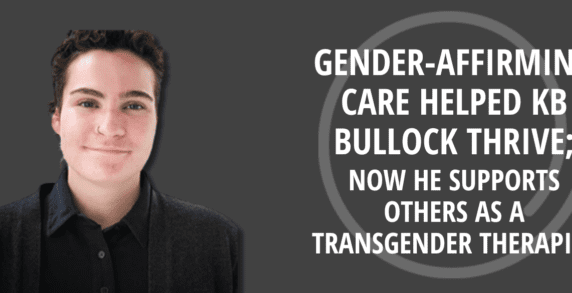
So let’s talk about sex with two Gay Therapy Center experts, KB Bullock and Jeremy Sanders, who reveal four of the most common challenges around sex and sexuality for trans people — and how sex therapy can help you feel less alone and more prepared as you navigate this beautiful, wild ride.
1. Sexual attraction can change
“Hormones can unlock new desires and even shift sexual orientation, which can be really liberating — but also be really confusing,” says Bullock, who’s transgender and works extensively with trans clients. Many are surprised by finding themselves attracted to different types of people and awakening to their sexuality as something that’s more fluid, Bullock adds.
Therapy with a trans or trans-competent counselor can help you grapple with these new feelings without judgment. “Attraction doesn’t have to be fixed,” Bullock says. “In sex therapy, the frame is that none of this is a problem that needs to be fixed — we can expand. Attraction can expand.”
Sanders, a gay sex therapist who has studied sexuality in a range of avenues and works with numerous trans clients, finds that transition can also bring up new considerations around labels and identity.
He notes that people who come out as nonbinary might have particularly complicated relationships to their gender and sexuality, especially in relation to their partners or family members.
He remembers one client, a trans woman who previously identified a gay man, who expressed concern with a laugh that she’d have to date straight guys (ew). She ended up recognizing how important identity was to her and partnered with a bisexual cis man.
Sanders shares another story from a younger trans woman who previously felt dysphoria with sex and worked through her confusion in therapy. “She told me she always wanted to be gay, but she just wasn’t attracted to men,” Sanders explains. “When she figured out she was trans, it all made sense: she was a lesbian! Since beginning transition she has also become more sexually active and now reports experiencing gender euphoria being ‘seen’ in this way.”
2. Hormones and surgeries can surface complex emotions
While starting gender-affirming care like HRT or surgery is incredibly exciting, it’s often a more complicated process than people realize. “Hormones and surgeries transform the body’s relationship to arousal, sensation, and desire,” Bullock explains. “It’s deeply personal and brings about different feelings for everyone, including grief and confusion.” If you’re not prepared for the possibility of these mixed emotions in advance, he adds, it can be really unsettling and make the process of adjusting or healing more difficult.
For example, one of Bullock’s clients is transmasculine. While their libido skyrocked after starting testosterone, “there was a lot of increased dysphoria with parts of his body that he previously hadn’t thought about during sex,” Bullock says. He’s also had transgender sex therapy clients who initially felt a confusing mix of wanting sex but not wanting to be touched.
Likewise, gender-affirming surgeries can present new highs and lows — and it’s all deeply personal.
“Surgical changes can open new doors, though it’s essential to process the emotions,” Bullock says. “Sometimes there are surprise intense emotions, regret, grief over sensation changes, and anxiety about being touched in new ways.”
Bullock adds that some trans people can experience pleasure not long after surgery, while others need time to adjust. He adds that the goal is feeling gender euphoria, but to expect that the process is nonlinear and feelings can bubble up in unexpected ways, including during sex.
One of the benefits of getting support from a sex therapist during this tender time is they can help you slow down, adjust expectations, prepare for intense emotions, build communication skills, and if relevant, navigate with a partner.
“With sex therapy, we can work on building a language of consent and sensation, rooted in what feels pleasurable — not what should feel good or whatever is attached to a gendered or cisheteronormative view,” Bullock explains. He finds when a partner is able to participate in therapy and approach the experience with curiosity, they can play a valuable supportive role.
3. Existing romantic relationships might change or end
If you’re already in a relationship when you come out and/or start transitioning, you and your partner might aim to adapt and remain together. For others, wants and needs diverge and they choose to go their separate ways as they navigate their new identity and trans sexuality.
“Transitioning in an existing relationship can be challenging, and is extremely subjective from one couple to another,” Sanders says. “Transition can invoke a reckoning not only with one’s own sexuality, but for the sexuality and identity of spouses as well.”
He remembers one nonbinary client who was assigned female at birth (AFAB), whose preferred gender expression leaned masculine. However, “over the years, they increasingly feminized their gender presentation to remain attractive to their spouse, who preferred femme-presenting partners,” Sanders remembers. After self-work in therapy, they started expressing their masculine side again and felt more content and congruent. “Soon they amicably parted with their spouse and became involved with a trans man who was attracted to them in this reclaimed Butch presentation,” he adds.
Sanders recalls another couple who recently divorced after raising children together. “For the cis-woman partner, coming to terms with her partner’s identity was challenging because she had always seen herself as firmly heterosexual, though a strong ally and advocate for LGBTQ folks,” he explains. “Ultimately, while supportive of her spouse actualizing her true self as a trans woman, she couldn’t reconcile her heterosexuality with her spouse’s more feminine appearance and they parted amicably. Now they say they’re like best friends who co-parent.”
These might not seem like happy endings for everyone, and plenty of couples make it work and stay together while navigating trans sexuality.
Regardless of plans or outcomes, LGBTQ+ individual and couples therapy can be a vital tool to help partners learn to communicate and navigate changes and the intense highs and lows that come with transition. Bullock has found that therapy can eventually help people find clarity, and even creative, personal solutions.
For example, one same-sex female couple came to Bullock after one partner started testosterone. Physical intimacy decreased, with both partners unsure how to approach the transitioning person’s changing body. “The other partner, who identified as lesbian, was navigating being attracted to men for the first time and it was emotional,” Bullock remembers. He says they struggled for years until working hard in therapy, deciding to take sex off the table, and remain life partners. This wouldn’t be everyone’s choice, but it’s the one they intentionally landed on together using healthy communication.
4. Dating can be more complicated
When someone is starting to date for the first time since beginning a gender transition, they might feel a mix of giddy excitement and paralyzing fear. When do you disclose your identity? What timing will be best for your safety? The calculus is different for everyone, Sanders says.
“In the modern world of dating apps and hook-up culture, many trans folks choose to self-identify on their dating profile to avoid any awkward and rejecting interactions later,” he says.
Sanders has observed that dating can be even more complicated for gender non-conforming people. “Some non-binary folks talk about how their gender identity gets dismissed too easily in dating scenarios, especially if they present as more like one gender, or if their dating preference is more binary,” he notes. “For example, AFAB non-binary folks who date lesbians sometimes report that their pronouns and gender identity get disregarded and they are seen as basically lesbian.”
Again, sex therapy provides a safe, nonjudgmental space to pause and explore these types of challenges and the emotions they bring up — and determine the healthiest way forward.
One tidbit Bullock enjoys sharing with clients is how there’s hefty overlap between the trans community, polyamorous community, and the kink community, since all emphasize non-judgment.
“The kink community is typically trans-safe and emphasizes creativity and consent, overrides binary expectations, and prepares people to set boundaries,” Bullock explains. Even if someone is not into kink, they might find that community a helpful way to meet people and even date.
Gender transitioning has highs and lows, but it’s worth it
Embarking on gender transition may feel blissful, and at times, the journey will continue to be. But the road can be bumpy. None of this is to say that transitioning is a negative thing or that it’s not worth it. In fact, quite the opposite.
The takeaway: transitioning likely will bring up some complex mix of emotions and challenges like the four we covered, and if you try to ignore this (or simply aren’t aware), it can feel confusing and upsetting when they arrive. By preparing for some of the most common road bumps regarding trans sexuality, setting expectations, and working with an LGBTQ-friendly sex therapist, you’ll be more prepared to navigate this exciting path forward in a healthy, intentional way.


Wonderful read, thank you!
Thanks for the feedback! Adam